Playtime:
651 minutes
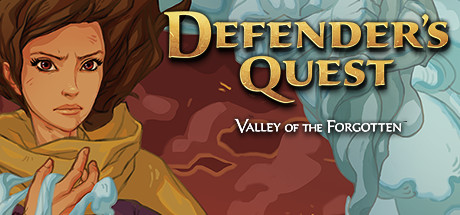
Defender's Quest: Valley of the Forgotten (DX edition) is a standout hybrid strategy game that successfully fuses classic tower defense mechanics with meaningful role-playing depth, creating an experience that feels both thoughtfully designed and enduringly engaging. Developed and published by Level Up Labs, LLC, the DX edition represents a refined and expanded version of the original release, enhancing visuals, performance, and content while preserving the systems that earned the game a devoted following. Rather than relying on spectacle or novelty, Defender’s Quest distinguishes itself through careful balance, smart progression, and a surprising amount of narrative charm.
The most defining feature of Defender’s Quest is its replacement of static towers with fully realized characters. Each defender you deploy functions as a persistent RPG unit, complete with experience levels, skill trees, equipment, and unique tactical roles. This shift fundamentally changes how tower defense is approached, as positioning and placement are no longer the only considerations; long-term character development becomes just as important. Decisions about which units to invest in, how to specialize them, and when to reposition them during combat have lasting consequences across the campaign, lending the game a strong sense of continuity and ownership over your strategy.
Combat unfolds in real time as waves of enemies advance toward a central objective, but the pace is deliberately flexible. Players can pause, slow down, or speed up the action at will, allowing both reactive and methodical play styles to coexist comfortably. This is especially important on higher difficulties, where enemy compositions demand precise responses and quick adaptation. The enemy variety is robust, often forcing players to rethink established setups rather than relying on a single optimal formation, which keeps encounters feeling fresh and tactically engaging even late into the game.
Progression is handled with care and restraint. Characters gain experience and unlock skills that meaningfully change how they function on the battlefield, but power growth is paced to ensure that challenge remains intact. Equipment upgrades exist, but they serve as supplements rather than replacements for good tactical planning. This design choice reinforces the idea that success comes from understanding systems and synergies rather than from raw numerical superiority. Resource management, including how and when to spend currency earned from battles, further deepens the strategic layer without overwhelming the player.
Narratively, Defender’s Quest provides a structured but unobtrusive story framework. The plot follows Azra, a royal librarian thrust into a conflict far larger than herself, and while the narrative does not dominate the experience, it provides enough context to make the journey feel purposeful. Lore entries, dialogue, and character interactions are woven into the campaign in a way that supports pacing rather than interrupting it. The tone balances earnest fantasy with moments of levity, giving the world personality without leaning too heavily on exposition.
The DX edition’s presentation improvements enhance clarity and comfort without altering the game’s identity. Visuals remain clean and readable, prioritizing tactical awareness over flashy effects, which is crucial in a game where split-second decisions matter. Animations are functional and expressive enough to convey action clearly, and the interface is designed to surface important information without clutter. Audio design complements the gameplay rhythm, providing feedback and atmosphere without becoming intrusive, even during extended play sessions.
Replay value is one of Defender’s Quest’s greatest strengths. Multiple difficulty levels, optional challenges, and a robust New Game+ mode encourage experimentation and mastery. Revisiting earlier stages with more advanced characters reveals new strategic possibilities, and higher difficulties genuinely test understanding of the game’s systems rather than simply inflating enemy stats. For players who enjoy refining builds and optimizing strategies, the game offers dozens of hours of meaningful engagement.
While the game’s deliberate pacing and reliance on careful planning may feel slow to players accustomed to more frenetic tower defense titles, this is ultimately a matter of preference rather than a design flaw. The experience rewards patience, foresight, and adaptability, and those willing to engage with its systems on their own terms will find it deeply satisfying. Minor grind elements exist, but they are generally offset by the sense of progression and control the game affords.
Ultimately, Defender’s Quest: Valley of the Forgotten (DX edition) stands as a benchmark example of how genre blending can be done right. By merging tower defense with RPG mechanics in a way that feels natural and cohesive, it creates a strategy experience that is both accessible and richly layered. Its thoughtful design, strong replayability, and enduring strategic depth ensure that it remains relevant years after release, making it a compelling recommendation for fans of tactical games who value substance, balance, and long-term engagement over fleeting novelty.
Rating: 9/10
👍 : 0 |
😃 : 0