Playtime:
749 minutes
*Threads of Karma*, developed by 萝卜不长毛线公司 and published by Hawthorn Games, is a narrative-driven psychological horror experience that leans more toward an interactive story than a traditional game. It builds its identity around a quiet, creeping sense of dread rather than overt scares, using everyday situations as a foundation before gradually unraveling them into something far more unsettling. From the outset, the game establishes a tone that is introspective and uneasy, inviting players to pay attention not just to what is happening, but to what feels slightly off beneath the surface.
The story centers on Lin Yue’an, a university student who returns home and begins to experience strange, almost imperceptible distortions in her reality. What starts as subtle discomfort—odd dreams, misplaced objects, unfamiliar sensations in familiar places—slowly escalates into a layered narrative filled with fragmented memories and unresolved questions. The storytelling is deliberately paced, revealing information in pieces rather than delivering clear answers outright. This structure encourages players to interpret events themselves, creating a sense of involvement that goes beyond simple observation. Themes of consequence, guilt, and the cyclical nature of cause and effect are woven throughout, giving the narrative a philosophical weight that lingers even after the story concludes.
Gameplay is intentionally restrained, focusing primarily on reading, making choices, and occasionally interacting with simple environmental elements. It does not attempt to challenge players with complex systems or mechanics; instead, it prioritizes immersion and narrative flow. Choices matter, though not in a dramatically branching, large-scale way. Rather, they subtly influence the tone and outcome of the story, reinforcing the idea that small decisions can have lasting effects. Light puzzle elements appear intermittently, but they serve more as pacing tools than as significant challenges. This approach makes the experience accessible, though it may feel too minimal for players expecting more interactivity.
One of the game’s most distinctive qualities is its cultural foundation. Drawing from Chinese folklore and psychological horror traditions, it creates an atmosphere that feels both grounded and otherworldly. The horror does not rely on sudden shocks but instead emerges from the distortion of normal life—familiar environments that feel slightly wrong, everyday interactions that carry an unspoken tension. This approach gives the game a unique voice within the genre, especially for players who may be less familiar with these cultural influences. Symbolism plays a key role, and many of the game’s more unsettling moments are tied to ideas that resonate beyond the immediate narrative.
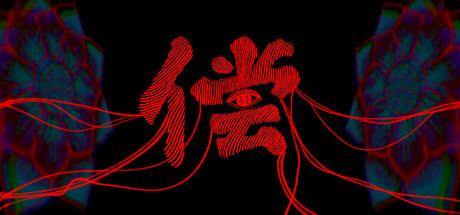
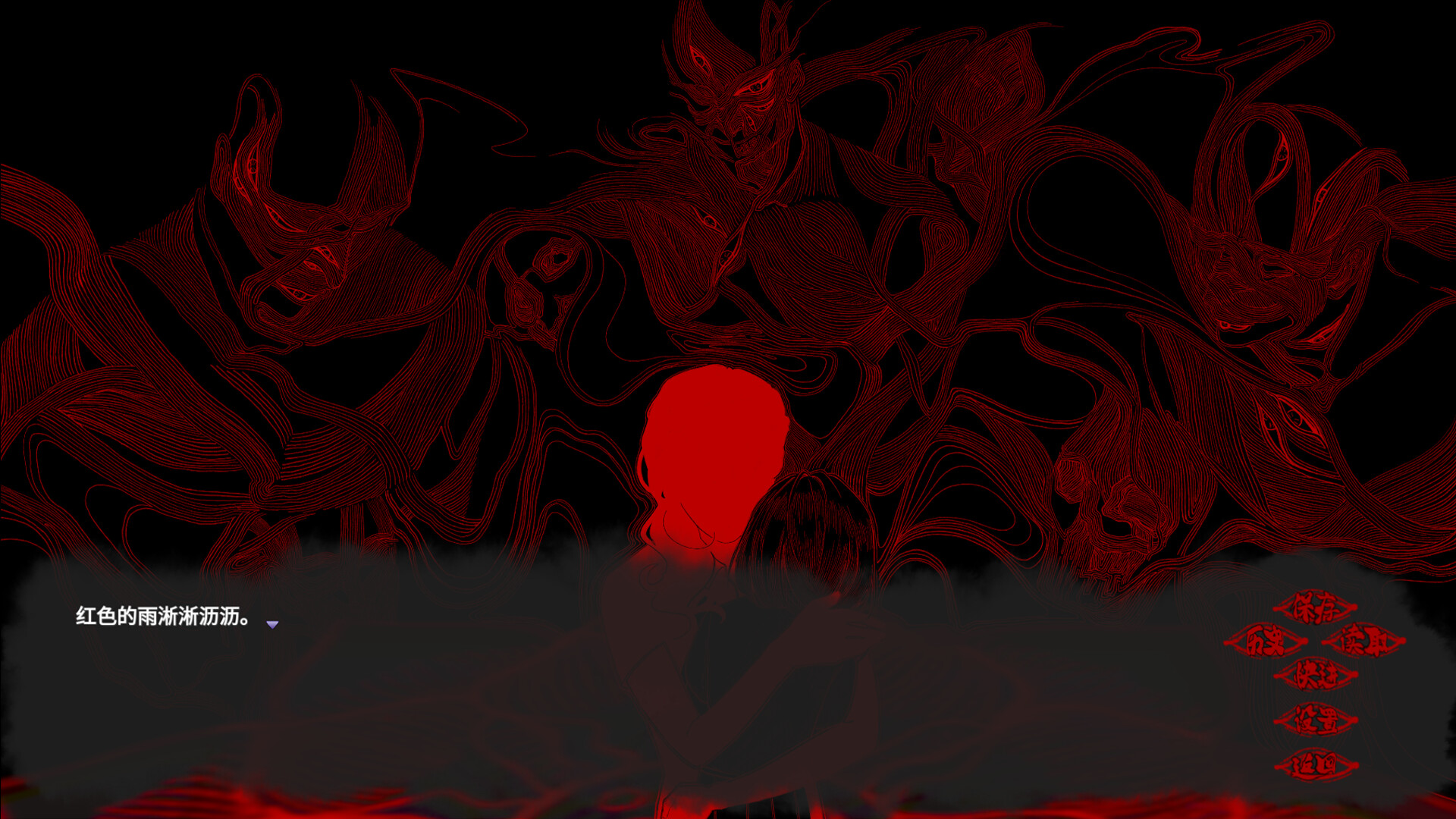
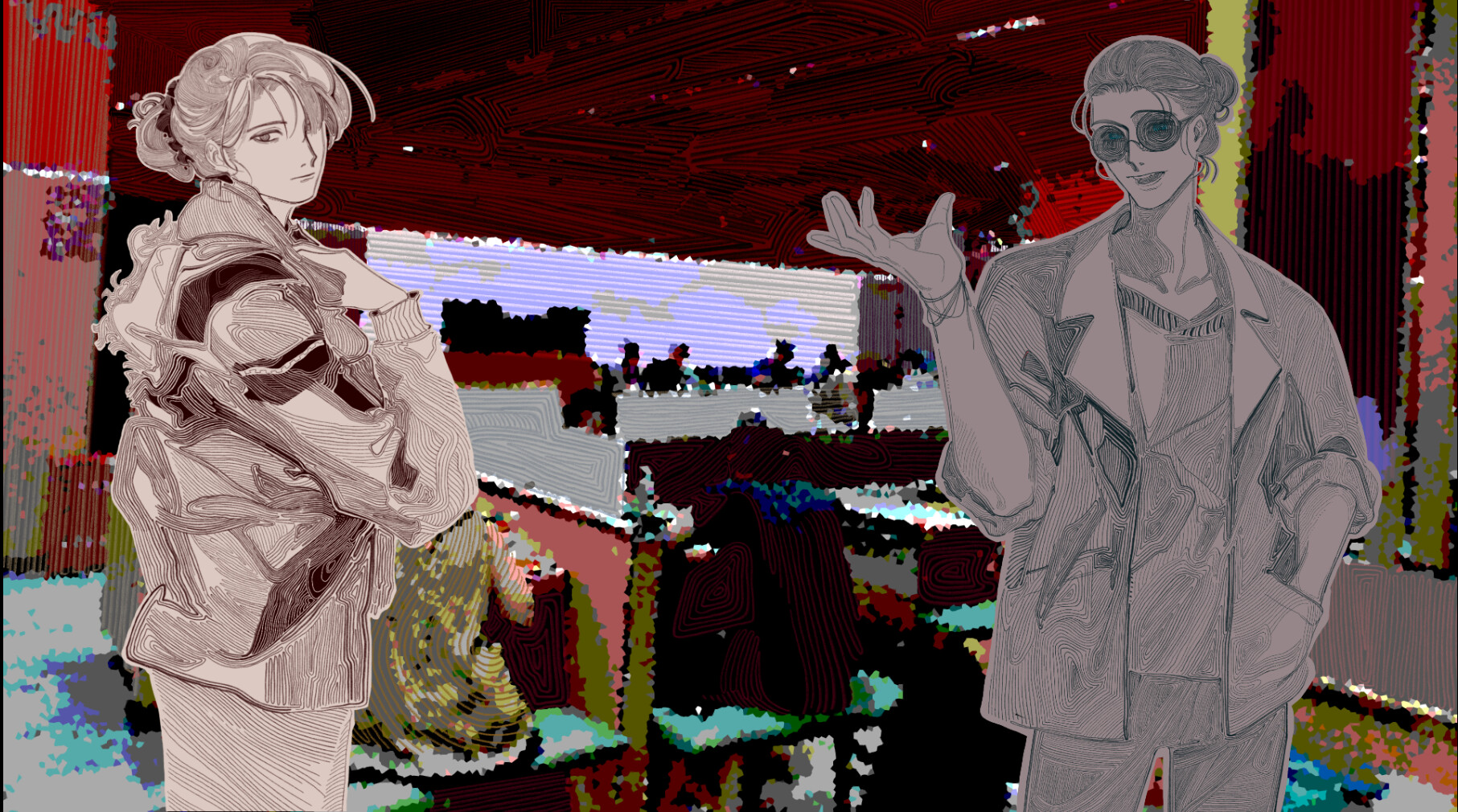
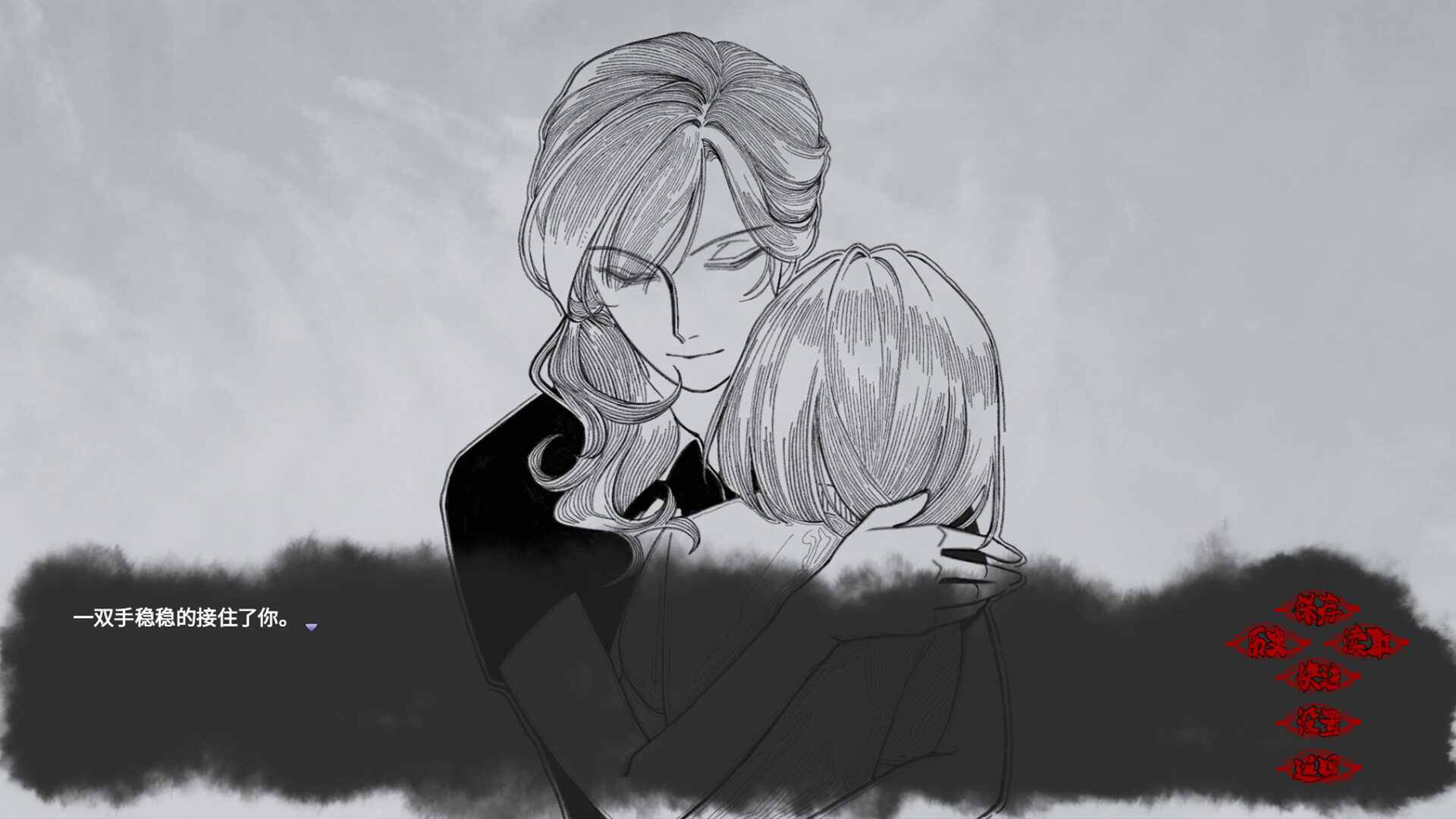
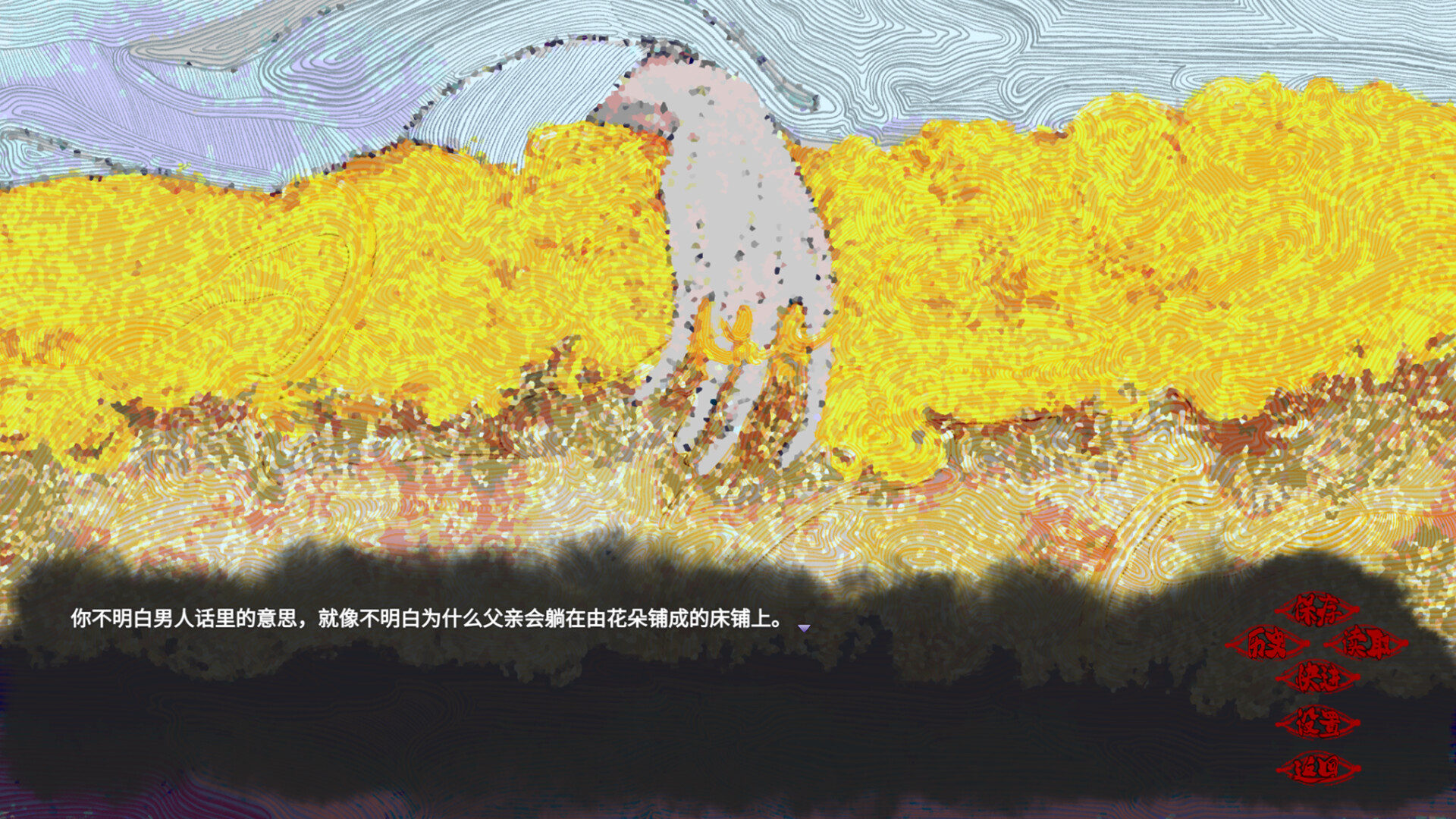
Visually, *Threads of Karma* adopts a stylized, hand-drawn aesthetic that emphasizes mood over detail. The use of muted tones and simple character designs creates a subdued visual identity that complements the game’s tone. Backgrounds often feel intentionally sparse, allowing the player’s attention to focus on key details and narrative cues. While this minimalism works in favor of atmosphere, it can sometimes give the impression of limited production scope. The audio design, on the other hand, is more consistently effective, using subtle sound cues and restrained music to build tension and reinforce the emotional weight of certain scenes.
The game’s limitations are most apparent in its scope and accessibility. Its relatively short runtime means that some narrative threads could have benefited from deeper exploration, and certain developments feel abrupt or underdeveloped as a result. Additionally, the heavy reliance on text combined with limited language support restricts its reach, making it less approachable for a global audience. There are also moments where pacing slows significantly, particularly during exposition-heavy segments, which may test the patience of some players.
Despite these shortcomings, *Threads of Karma* succeeds in delivering a focused and memorable experience. It understands what it wants to be and commits fully to that vision, offering a story that is intimate, unsettling, and reflective. Rather than overwhelming players with scale or complexity, it draws them in through atmosphere and thematic depth, leaving a lasting impression through its subtlety.
In the end, *Threads of Karma* is best appreciated as an interactive narrative that explores psychological horror through a cultural lens. It may not satisfy those looking for action or mechanical depth, but for players who value storytelling, mood, and introspection, it offers a compelling journey that lingers in the mind long after it ends.
Rating: 6/10
👍 : 0 |
😃 : 0


 Store
Store